

Choosing an English cram school for your child is an important decision for many parents. Search online and every school seems to have its own strengths and catchy slogans, so how do you compare them? This article covers 6 key points to evaluate, no matter which school you’re considering, along with a checklist of things to observe during a trial class, to help you make a choice you can feel confident about.
1. Curriculum Planning: Is There a Clear Learning Roadmap?
A good curriculum isn’t just about “what we’re teaching this semester.” The school should be able to explain the general stages your child will go through from beginner to advanced, and what the goals are at each stage. Things to look for:
- Whether there is a clear system of levels and progression, for example from preschool through elementary school and on to junior high
- Whether listening, speaking, reading and writing are balanced, rather than focusing on just one
- Why the teaching materials were chosen, and whether they suit your child’s age and level
You can ask directly: “After my child completes this level, what should they be able to do?” Schools that can answer specifically usually have a more thorough curriculum plan.
2. Teachers and Classroom Interaction: How Many Chances Does Your Child Get to Speak?
Teachers’ expertise and passion for teaching directly shape your child’s learning experience. Besides asking about teachers’ experience and training, it’s even more important to observe what actually happens in class:
- Whether the teacher guides children in ways they can understand and keeps the class well managed
- Whether children mostly listen passively, or have plenty of chances to speak and interact
- If there are both foreign teachers and Taiwanese teachers, how they divide responsibilities and work together
- Whether the teaching staff is stable, so your child can build a long-term learning relationship with their teachers
3. Placement Tests and Class Placement: Is Your Child in the Right Class?
Children of the same age can have very different English levels. Whether there’s a placement test before enrollment, and whether classes are grouped by age or by actual ability, both affect how well your child learns. If the level is too hard, children get frustrated easily; if it’s too easy, they tend to lose interest.
You can also ask: if a child progresses quickly, or needs extra help in certain areas, is there a way to change classes or get individual support?
4. Assessment and Parent-Teacher Communication: Can You Keep Track of Your Child’s Learning?
Regular assessments help teachers and parents understand a child’s progress, but they’re about more than just scores. Things worth noting:
- How often and how assessments are done, and whether they cover listening, speaking, reading and writing
- Whether parents receive specific feedback, such as their child’s strengths and areas to work on
- Whether there is a regular channel for parent-teacher communication, so you can get in touch promptly when issues come up
- If the school plans for English proficiency exams, whether it makes recommendations based on each child’s level rather than requiring everyone to take them
5. Facilities and Administration: Is It Safe, Licensed and Transparent About Fees?
This area is often overlooked, but it’s closely tied to your child’s safety and your rights as a parent:
- Proper licensing You can use the education authorities’ short-term cram school lookup system to confirm a school’s registration information.
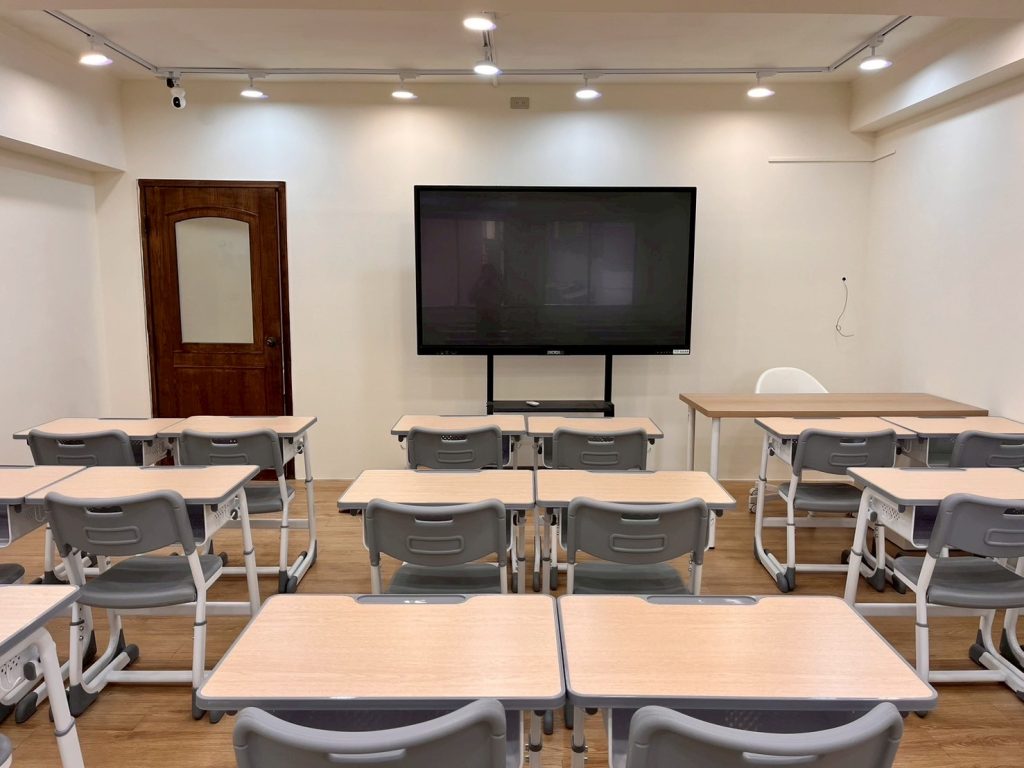
- Space and safety Are the classrooms bright and clean, is the layout safe, and are the drop-off, pick-up and dismissal procedures clear?
- Fees and refunds Are charges such as tuition and materials fees clearly listed, and is the refund policy provided in writing?
6. How Your Child Feels and Whether It Works Long Term
The last point is also the most important: does your child actually like it? Language learning takes a long time to build up, and your child’s willingness to keep attending matters more than any single factor.
At the same time, consider the practical side, such as commuting distance, whether class times conflict with other activities, and whether your family’s time and budget can sustain it over the long run. Even the best program loses much of its value if it’s hard to keep up.
What to Observe During a Trial Class
| What to Observe | Questions to Keep in Mind |
|---|---|
| Classroom atmosphere | Is your child relaxed and willing to participate? Does the teacher pay attention to every child? |
| Chances to speak | How many chances does your child get to speak English during a class? |
| Teaching content | Do the activities have clear learning goals, rather than just being lively? |
| Feedback after class | Can the teacher describe your child’s performance specifically and offer suggestions? |
| Your child’s reaction | How does your child describe the class afterward? Do they want to come back? |
Warning Signs to Watch For
If you run into any of the following, we suggest comparing more options and asking more questions before deciding:
- Emphasis on “guaranteeing” a certain level or score within a short time
- Vague explanations of the curriculum, teachers or fees
- Pressure to pay or sign a contract on the spot
- Reluctance to let parents see what actually happens in their child’s classes
Final Thoughts
There’s no single right answer when choosing a cram school. The best fit is a place that matches your child’s level, personality and your family’s pace. We encourage parents to visit, compare several options and bring their child to an actual trial class before deciding. If you’re looking for children’s English classes in the Nanzi or Renwu areas of Kaohsiung, you’re welcome to add English Learning Corner to your list. Book a free trial class and placement test to see our classes for yourself.