Key Takeaways
CLIL is a teaching approach in which children learn other subjects through English, such as doing science experiments, learning math concepts or creating art projects in English. Kids learn both the “content” and the “language” at the same time, so English is no longer just a school subject but a tool for learning.
The Basic Idea Behind CLIL
CLIL stands for Content and Language Integrated Learning, commonly rendered in Chinese as “integrated learning of content and language” (內容與語言整合學習). The term was coined by European educators in the 1990s and is now used in bilingual education in many countries. In Taiwan, teaching materials related to the Bilingual 2030 policy are also designed using a CLIL approach.

The 4C Framework of CLIL
- ContentSubject knowledge, such as how plants grow or the properties of magnets.
- CommunicationDescribing, asking questions, explaining and discussing in English.
- CognitionThinking skills such as observing, comparing, reasoning and problem-solving.
- CultureLearning about different cultural perspectives and building international understanding.
How Does CLIL Benefit Children?
- A real purpose for learning EnglishKids use English to complete an experiment or make a project, which makes them more motivated.
- Richer vocabularyChildren encounter subject vocabulary beyond textbook dialogues, such as seed, magnet and float.
- Higher-level thinkingInstead of just repeating sentence patterns, kids reason and express their ideas in English.
- Longer-lasting memoryHands-on experiences help children remember the language and the content together.
What Does a CLIL Class Look Like?
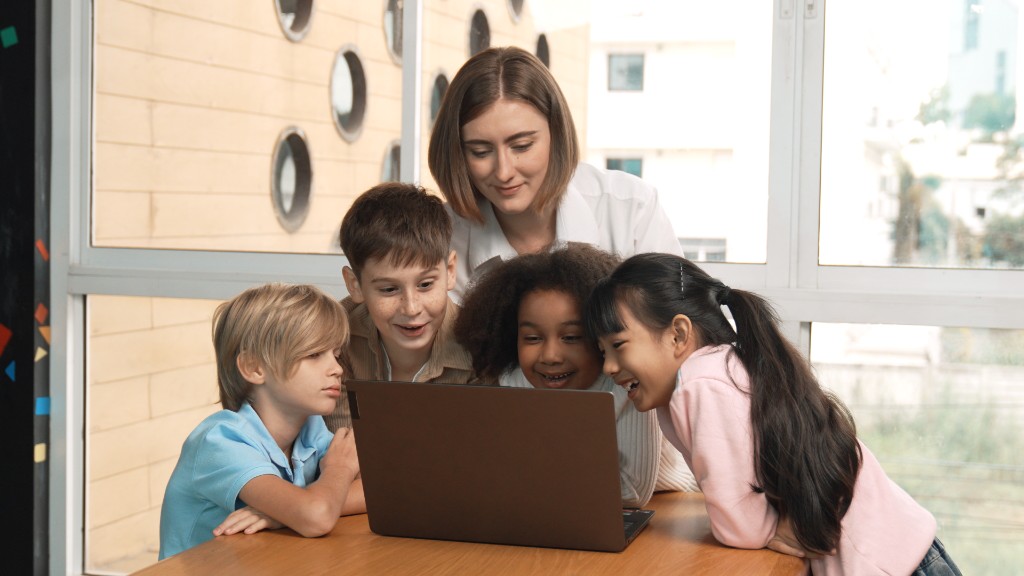
For example, in a lesson on “sink or float,” children first predict in English which objects will sink and which will float. Then they carry out the experiment, record the results, and finally share their findings using sentence patterns like “The coin sinks because…” Throughout the whole process, English is a tool for thinking and communicating.
CLIL at English Learning Corner
English Learning Corner designs its courses around CLIL, with a hands-on lesson in every unit, so children don’t just learn English; they also learn across subjects and develop well-rounded skills. Both our International Primary Program (IPP) and our Explorer Series incorporate cross-curricular learning.
Frequently Asked Questions
How is CLIL different from a regular English class?
A regular English class focuses mainly on the language itself. CLIL is built around subject content, and children naturally use and learn English as they learn that content.
Can my child join a CLIL class if their English isn’t strong yet?
Yes. CLIL courses adjust the language difficulty to each level and make heavy use of pictures, real objects and hands-on activities to help children understand.
What are the 4Cs of CLIL?
The 4Cs are Content, Communication, Cognition and Culture. Together they form the core framework for designing CLIL courses.
References
See how kids do experiments in English
Book a free trial class for the International Primary Program or Explorer Series and experience a hands-on CLIL lesson.